How well does your organization
understand the different ways
people think and work best?
We help organizations understand neurodiversity in ways that make work better, for everyone.
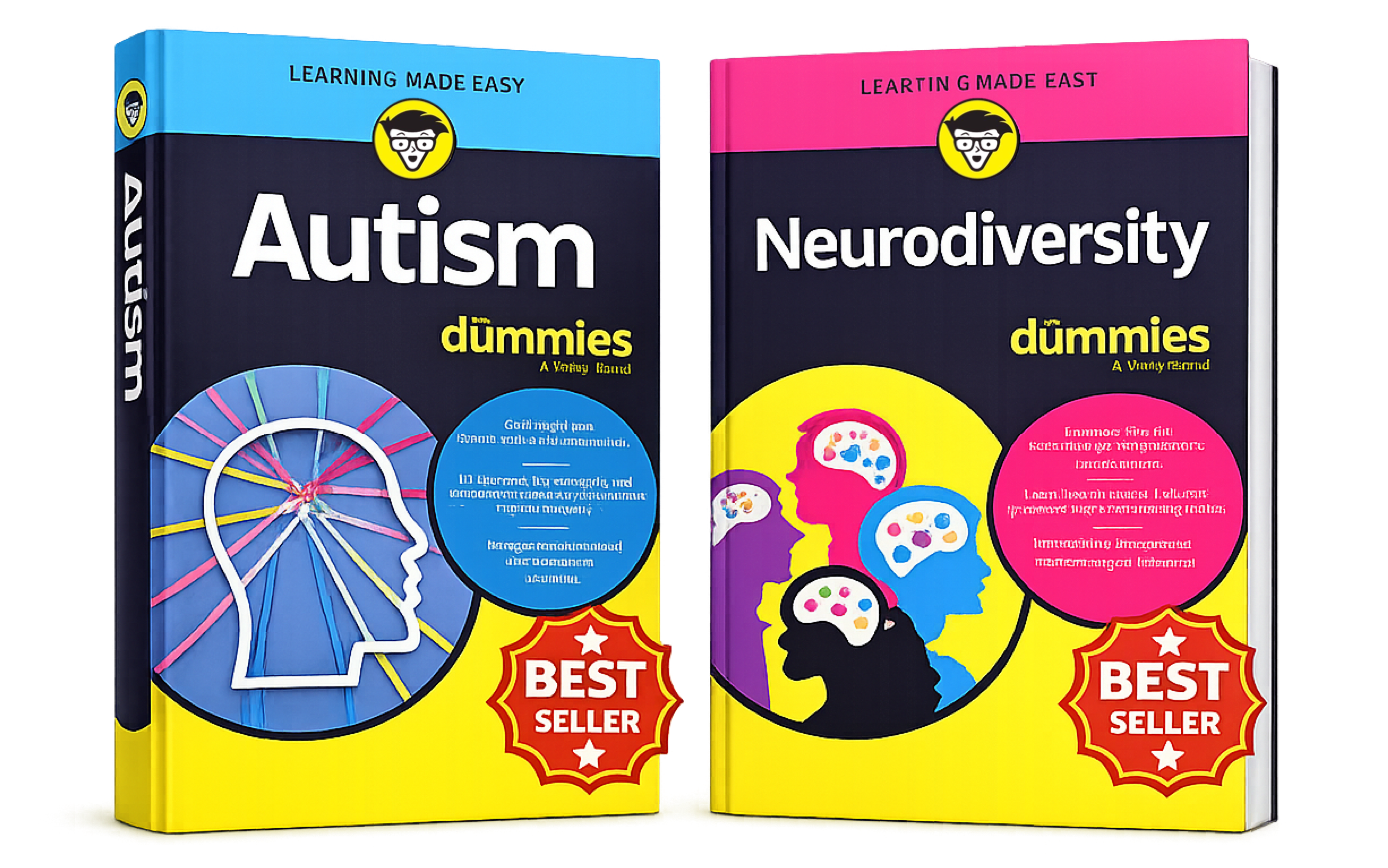
From the authors of two of the most widely used guides on neurodiversity, with decades of expereince across the private, public, nonprofit & education sectors.
Support different ways of thinking without lowering the bar.
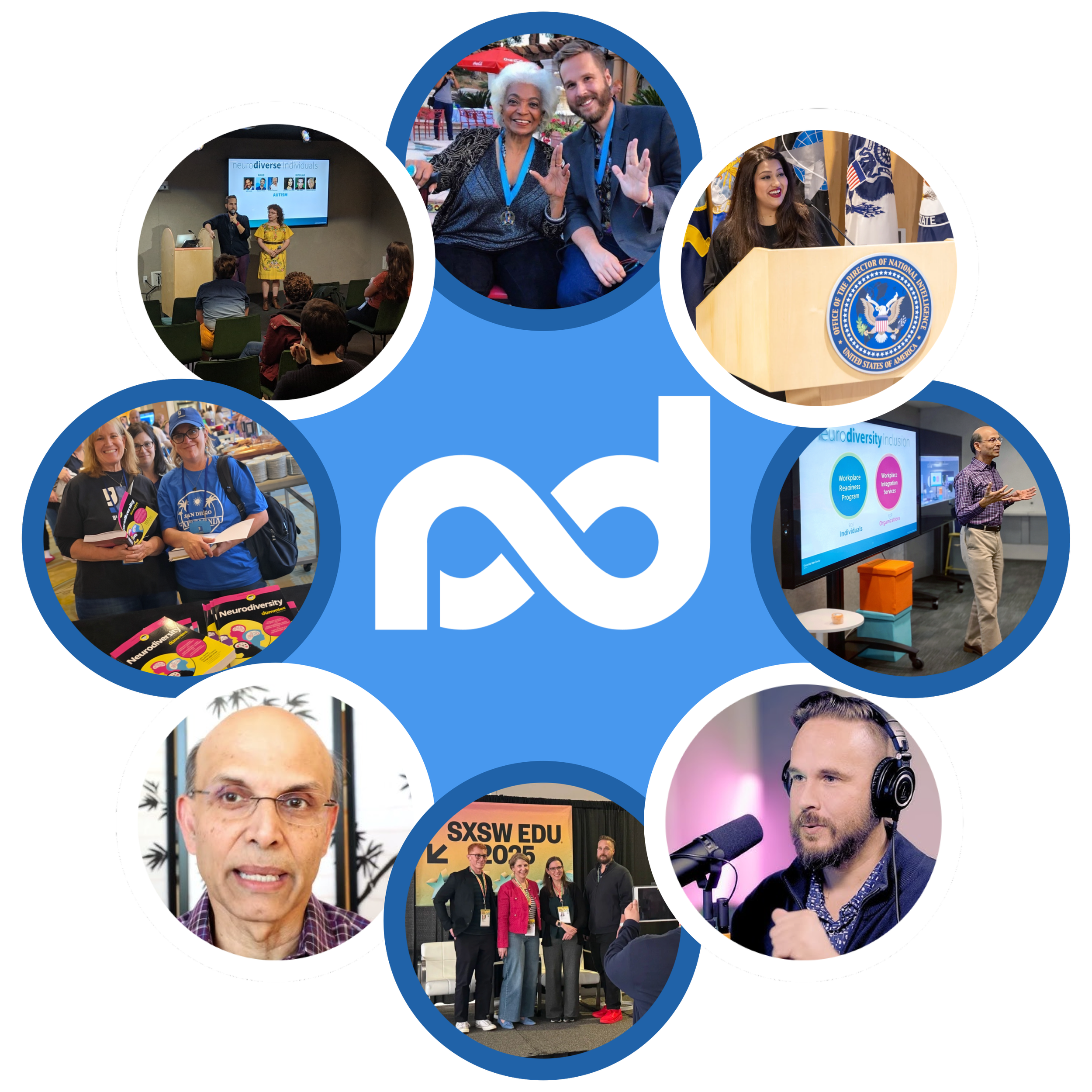
We work with workplaces, schools, and community groups. Whether you’re an employee, manager, HR lead, or executive, we help teams work together more effectively so that everyone can perform at their best.
Working With Us is Different
A lot of workplace conversations about neurodiversity focus on performance, compliance, or good intentions. Those things matter, but they’re not enough to change how work actually feels day to day.
Our work starts from a different place.
We focus on awareness and practice that helps people work better together. That means looking closely at how work and learning environments are designed, how expectations are communicated, and how everyday interactions actually play out.
We pay attention to the systems and habits that shape daily experiences, not just individual behavior.
There are also a couple of things we don’t do:
We don’t approach neurodivergent people as problems to be fixed.
We also don’t assume that organizations are acting in bad faith.
Most organizations are doing their best within systems designed for certain ways of thinking. Likewise, many neurodivergent people are working hard to fit into systems that weren’t built with them in mind.
Our work focuses on closing that gap within teams by helping people better understand each other.
In our sessions, we help neurodivergent and neurotypical team members better understand different ways of thinking and working. They see how those differences often create friction even when no one intends it, and how those same differences can become strengths when they’re understood and supported.
This is not about redesigning entire workplaces, schools, or environments, or asking anyone to change who they are. Instead, we focus on practical changes that reduce friction, support collaboration, and make it easier for people to do their best work together.
“Absolutely phenomenal!
Until now, I’ve felt a bit lost in how to translate neurodivergent skills and knowledge into the workplace. This should be a required training for all.”
“Hugely valuable.
I learned so much from this and I’m still thinking about it. I can’t wait to explore the resources provided and to start practicing what I learned.”
“Thank you!
I wasn’t expecting to learn anything today. But you broke things down in a way that I haven’t seen before and made traits understandable on a deeper level.”
“I’m so grateful for your all the work that you do.
Because of today, I feel closer to my son and more hopeful that I can support him in the way he needs. From the bottom of my heart, I want to thank you!”
“Fabulous!
The presenters were excellent. Their presentation style was clear and their vast knowledge of the topic obvious. I also appreciated how they taught from a compassionate lens, and shared their own relationships with neurodiversity.”
“I really enjoyed this!
The presenters were clear and engaging. There’s certainly something valuable here for anyone to take away.”
“I’m so glad I participated.
Our world could be a very different place if every person took a training like this to help them understand the differences around us.”
“A pleasant surprise!
The information was useful and not just data dumps. It really provided insights and recommendations towards becoming a better member of my workplace.”
What Happens Next
Every organization and group starts from a different place. A short conversation can help sort out what is useful to you and where to begin.
You can start by browsing our trainings, or reach out using the form below.
Most often, organizations reach out about training for their teams. We’ll be happy to talk through what you’re seeing, what you want to improve or achieve, and which trainings best support your goals.
We also hear from individual employees needing resources, ERG and community groups seeking knowledgeable speakers, and podcast and media outlets looking for informed, thoughtful voices, and we’re happy to help as well.